
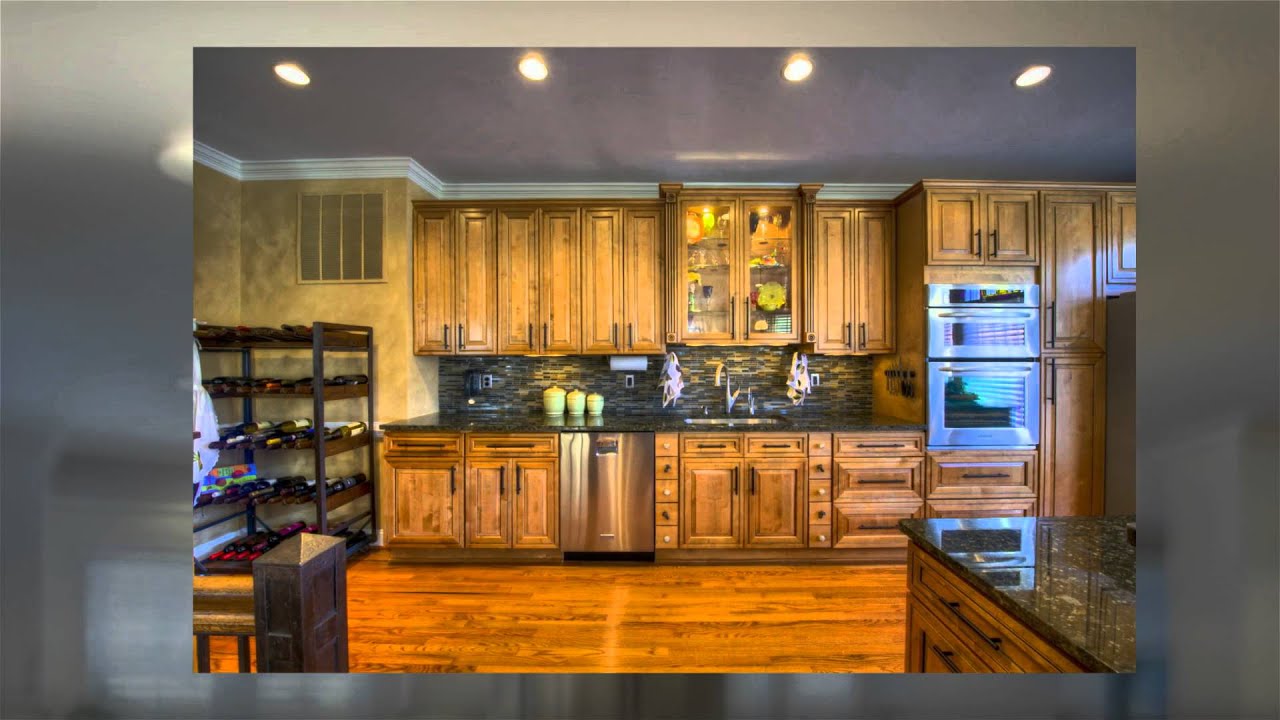
The kitchen is usually the room that sells a house, and it’s also the room that shows its age the fastest. Cabinets that stuck around from three decades ago, countertops that have seen better days, or a layout that just doesn’t work for how people actually cook anymore — at some point, most homeowners start thinking seriously about a remodel. But kitchen remodeling is also one of the more involved home projects you can take on, and getting it right starts long before demo day.
What a Kitchen Remodel Actually Involves
Kitchen remodeling covers a wide range of work, and the scope can look very different depending on your budget and goals. A good kitchen remodeling contractor will typically walk you through options across several categories:
Layout changes are often the most impactful part of a remodel. Moving an island, opening up a wall between the kitchen and living room, or reworking the “kitchen triangle” between the sink, stove, and fridge can completely change how the space feels to use — even without touching a single cabinet.
Cabinetry and storage tend to eat up the biggest chunk of most remodeling budgets. Whether you go with stock cabinets, semi-custom, or fully custom builds, this is usually where the visual identity of the kitchen gets set.
Countertops and backsplash are where a lot of the personality shows up — quartz, granite, butcher block, and tile all come with very different price points, maintenance needs, and looks.
Appliances often get upgraded during a remodel, partly for style and partly because new layouts sometimes require different appliance sizes or configurations than what was there before.
Flooring, lighting, and plumbing round out most projects. These are the less glamorous parts of a remodel, but they’re often what separates a kitchen that looks good from one that actually functions well day to day.
A trustworthy kitchen remodeling company won’t just hand you a catalog and let you pick finishes — they’ll walk the space with you first and figure out what’s actually possible given your home’s plumbing, electrical, and structural layout.
Signs It Might Be Time for a Remodel
Not every kitchen needs a full gut renovation. Sometimes a few targeted updates go a long way. But these are common signs homeowners bring up when they start looking into kitchen remodeling:
- Cabinets that are warped, water-damaged, or simply don’t close properly anymore
- A layout that creates bottlenecks when more than one person is cooking
- Outdated wiring that can’t handle modern appliances without tripping breakers
- Countertops that are cracked, stained, or chipped beyond a simple repair
- A kitchen that feels closed off from the rest of the living space
- Simply wanting more storage or counter space than the current layout allows
If more than a couple of these sound familiar, it’s usually worth at least getting a consultation to see what’s realistic for your space and budget.
Choosing the Right Kitchen Remodeling Contractor
The difference between a smooth remodel and a stressful one usually comes down to who you hire. Here’s what tends to matter most:
Ask to see completed projects, not just renderings. Photos of finished kitchens — ideally ones similar in scope to what you’re planning — tell you a lot more than a sales pitch does.
Confirm licensing and permits are handled properly. Kitchen remodels often involve electrical and plumbing work that legally requires permits. A reputable contractor will handle this as part of the process, not treat it as optional.
Get a detailed, written estimate. Vague quotes tend to turn into unexpected costs midway through the project. A solid kitchen remodeling company will break down labor, materials, and any allowances for items like fixtures or appliances.
Ask about the realistic timeline. Kitchen remodels can range from a couple of weeks for cosmetic updates to a few months for a full layout change. Be wary of any contractor who gives you an unusually short timeline for a large-scope project — that’s often a sign of corners being cut.
Check reviews for how issues were handled, not just how the finished kitchen looked. Every remodel runs into at least a few surprises along the way; what matters is how the contractor communicated and resolved them.
Budgeting Realistically
One of the most common mistakes homeowners make is underestimating cost, then having to scale back mid-project. A good kitchen remodeling contractor will help you prioritize where to spend and where to save — for example, splurging on cabinetry while choosing a more budget-friendly countertop material, or keeping the existing layout to avoid the cost of moving plumbing and electrical. Building in a buffer of at least 10–15% above your initial budget for unexpected issues (especially in older homes) is generally a smart move.
Frequently Asked Questions
How much does a kitchen remodel typically cost?
It depends heavily on scope — a minor refresh costs far less than a full layout change with custom cabinetry. A kitchen remodeling contractor can give you an accurate number after seeing the space and discussing your goals.
How long does a kitchen remodel take?
Cosmetic updates can take a couple of weeks. Full remodels with layout changes typically take several weeks to a few months, depending on permits and material lead times.
Do I need a permit for a kitchen remodel?
Usually yes, if the work involves electrical, plumbing, or structural changes. A licensed kitchen remodeling company will handle permitting as part of the project.
Should I move out during a kitchen remodel?
Not always necessary, but larger remodels that remove your only working kitchen for weeks can make daily life difficult. Some homeowners set up a temporary kitchen elsewhere in the home instead.
Can I remodel my kitchen in phases instead of all at once?
Yes, though it’s not always the most cost-efficient approach since some labor and setup costs repeat with each phase. Discuss this with your contractor if budget timing is a concern.
What adds the most value to a kitchen remodel?
Updated cabinetry, improved layout, and new countertops tend to have the strongest impact on both function and resale value. A kitchen remodeling contractor can help prioritize based on your home and local market