
A bathroom should be more than just functional. It is where you start each morning and unwind after long days. But many homeowners live with cracked tiles, outdated fixtures, and inefficient layouts simply because remodeling feels overwhelming. The truth is that bathroom remodeling does not have to be a nightmare. With smart planning, realistic expectations, and the right professionals by your side, you can transform an uncomfortable space into something you genuinely enjoy.
Why Bathroom Remodeling Is Worth the Effort
Few home improvement projects deliver the same return as a well-executed bathroom remodel. Beyond the obvious comfort improvements, updated bathrooms attract buyers if you ever sell your home. Old, worn bathrooms signal neglect. Fresh, modern bathrooms suggest a well-maintained property.
But the benefits go beyond resale value. A properly remodeled bathroom can improve safety with grab bars and non-slip flooring. It can increase storage with clever cabinetry. It can reduce water bills with efficient fixtures. And it can simply make your daily routine more pleasant. No more fighting for counter space. No more shower doors that stick. No more staring at ugly wallpaper every morning.
Planning Your Bathroom Remodel Before Hiring Anyone
The most successful bathroom remodels start long before any contractor arrives. Planning saves money, prevents mistakes, and keeps your project on track.
Set Clear Goals for Your Space
Ask yourself honest questions. What do you hate about your current bathroom? Is it the lack of storage? Poor lighting? An awkward layout that makes two people bump into each other? Make a list of problems to solve. Then list your wishes — what would you add if budget and space allowed? A heated floor? A double vanity? A larger shower with no tub? Knowing your priorities helps you communicate clearly with any remodeling company you interview.
Measure Everything Twice
Bathrooms are small spaces where every inch matters. Measure your current layout. Note the position of plumbing lines, electrical outlets, windows, and doors. Understand what can move and what cannot. Moving a toilet is expensive because the drain line sits inside the floor slab. Moving a sink is easier since water supply lines can be rerouted through walls. A good local contractor will confirm what is possible during their inspection, but having your own measurements helps you dream realistically.
Create a Realistic Timeline
Bathroom remodels typically take three to six weeks, depending on the scope. A simple refresh — new paint, new fixtures, new vanity — might take one week. A full gut renovation with moving walls and plumbing could take eight weeks or more. Understand that unexpected problems add time. Water damage behind walls. Outdated wiring that does not meet code. Subfloor rot. A professional remodeling company builds contingency time into its schedule, but you should also prepare your family for some disruption.
Choosing the Right Bathroom Remodeling Company
Not all contractors are equal. Finding the right one makes the difference between a smooth experience and a nightmare.
Look for Specialized Experience
A general handyman can replace a faucet. A bathroom remodeling contractor does this work daily. They understand the waterproofing requirements behind tile. They know proper venting for exhaust fans. They have relationships with suppliers for vanities, tubs, and tiles. Hiring a company that specializes in bathrooms reduces mistakes and delivers better results.
Check Credentials and Reviews
Any reputable contractor carries liability insurance and workers’ compensation. Ask for proof. Check online reviews on multiple platforms — Google, Yelp, the Better Business Bureau. Look for patterns. Do multiple reviews mention the same problem? Do recent reviews show declining quality? A local remodeling company with five years of consistent positive reviews is a safer bet than a new business with perfect but few reviews.
Interview Multiple Contractors
Never hire the first company you call. Speak with at least three bathroom remodeling contractors. Ask each for references and actually call those references. Ask about communication, timeliness, cleanliness, and whether the final bill matched the estimate. A trustworthy company welcomes these questions.
Get Everything in Writing
A verbal promise means nothing. A detailed written contract protects everyone. It should describe exactly what work will be done, what materials will be used, who pulls permits, the payment schedule, and the expected completion date. Any remodeling company that hesitates to put details in writing is waving a red flag.
Popular Bathroom Remodeling Updates That Add Value
Every bathroom is different, but some improvements consistently deliver satisfaction and return on investment.
Replacing the Vanity and Sink
The vanity is often the first thing you see when entering a bathroom. An outdated vanity makes the whole room feel old. Replacing it with a modern style — floating, furniture-style, or custom-built — transforms the space instantly. Add a new countertop and sink, and you have a completely different look. A skilled contractor can handle the plumbing connections while ensuring proper support for heavier stone countertops.
Upgrading the Shower or Tub
Bathrooms without a tub may turn off families with young children. Bathrooms without a good shower frustrate everyone else. Many homeowners remove old tub-shower combinations and install walk-in showers with glass doors and built-in benches. Others keep the tub but replace it with a deeper, freestanding soaking tub. A bathroom remodeling company can help you choose based on your space and how you actually live.
Improving Lighting and Ventilation
Poor lighting makes even a beautiful bathroom feel gloomy. Good lighting combines overhead fixtures with task lighting near the mirror. Side-mounted sconces eliminate shadows on your face. A dimmer switch lets you adjust brightness from bright morning to relaxing evening. Equally important is ventilation. A properly sized exhaust fan removes moisture, prevents mold, and protects your investment. Many contractors find that homeowners have lived with undersized or broken fans for years without realizing it.
Adding Smart Storage
Bathrooms accumulate stuff. Towels, toiletries, cleaning supplies, hair tools, medications. Without dedicated storage, everything ends up on the counter. A thoughtful remodel includes built-in niches in shower walls, recessed medicine cabinets, pull-out organizers under the sink, and tall linen cabinets in empty corners. A good local contractor will notice wasted space you have walked past for years and suggest solutions you never considered.
The Bathroom Remodeling Process Step by Step
Understanding what happens during a remodel reduces stress and prevents surprises.
Demolition
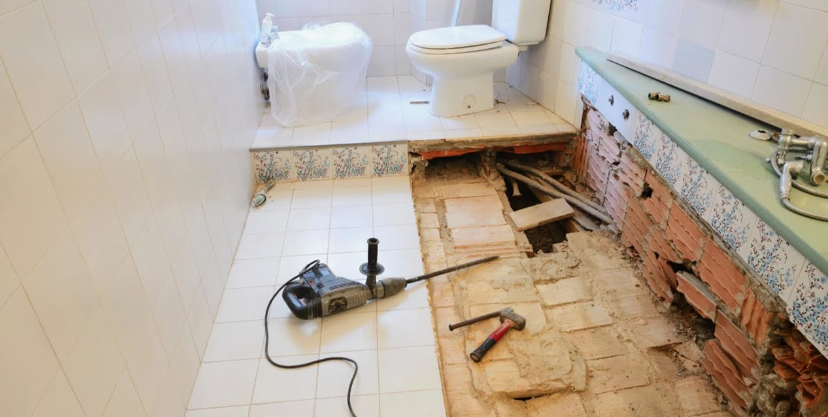
The first step is also the messiest. Your contractor removes old fixtures, tiles, flooring, and drywall. Behind those walls, they often find surprises — water damage, mold, or outdated plumbing. This is why contingency budgets exist. A professional remodeling company stops work, shows you the problem, explains options, and gets your approval before proceeding.
Rough-In Work
With walls open, electricians and plumbers do their rough work. They move or add wiring for new lights, switches, and outlets. They relocate supply lines and drain pipes. This phase requires permits and inspections in most areas. A reputable contractor handles the permit process so you do not have to.
Installing New Surfaces
New drywall or cement board goes up. Waterproofing membranes are applied in wet areas. Tile installers set floor and wall tile. Countertops are templated and fabricated. This phase takes patience — tile work cannot be rushed. Your contractor should keep you updated on progress.
Finishing and Fixtures
Trim, baseboards, and paint complete the walls. The vanity, toilet, shower fixtures, and lighting are installed. The glass shower door goes in. The exhaust fan gets its final connections. At this stage, your bathroom starts looking like a finished room.
Final Walkthrough
Before final payment, walk through the completed bathroom with your contractor. Test every switch, faucet, and drawer. Look closely at tile grout lines, caulking, and paint edges. Make a punch list of any small fixes needed. A good remodeling company does not rush this step. They want you satisfied.
Common Bathroom Remodeling Mistakes to Avoid
Even with a great contractor, homeowners make mistakes that complicate projects.
Changing Your Mind Mid-Project
Every change order adds time and money. Once demolition begins, changing tile colors, fixture styles, or layouts forces your contractor to redo work, return materials, and adjust schedules. Make all major decisions before signing the contract. Live with your choices for a week before committing.
Choosing Style Over Function
That beautiful vessel sink looks amazing online. In real life, it splashes water everywhere and makes cleaning the counter difficult. That dark charcoal tile looks dramatic but shows every water spot and speck of dust. Work with your bathroom remodeling company to balance aesthetics with practical daily use.
Forgetting About Ventilation
Bathrooms produce moisture. Without proper ventilation, that moisture damages paint, warps cabinets, and grows mold. Never skip or skimp on the exhaust fan. Your contractor can calculate the correct fan size based on your bathroom’s square footage.
Frequently Asked Questions (FAQs)
1. How do I know if I need a full bathroom remodel or just minor updates?
If your bathroom layout works but everything looks tired, minor updates may be enough. New paint, a modern vanity, updated lighting, and fresh hardware can cost significantly less than a full gut renovation. However, if you have cracked tiles, water damage, poor layout, or outdated plumbing, a full remodel with a professional contractor is the smarter long-term investment.
2. Can I live in my home during a bathroom remodel?
Yes, most homeowners stay in their homes during a bathroom remodel, but you will lose access to that bathroom for several weeks.
3. How do I choose between different bathroom remodeling companies?
Look for specialized bathroom experience, valid licensing and insurance, recent positive reviews, and clear communication. Ask each company for a detailed written estimate and compare them carefully. The lowest bid is rarely the best value. A slightly higher bid from an organized, communicative contractor usually saves you headaches.
4. What permits are needed for a bathroom remodel?
Permit requirements vary by city. Generally, moving plumbing, changing electrical wiring, or altering load-bearing walls requires permits. Replacing fixtures in the same locations often does not.
5. How long will my bathroom remodel take from start to finish?
A straightforward bathroom remodel with no major surprises typically takes three to six weeks. This includes demolition, rough-in work, inspections, surface installation, and finishing.